An Event Planning Timeline That Actually Works
Most events don't fall apart on event night. They fall apart quietly, weeks earlier, when nobody decided what needed to happen by when. A working timeline is the difference between a calm final week and a scramble up to the day of that you can feel.
The good news: you don't need project management software or a wall of sticky notes. You need a date, one page, and the discipline to plan in reverse.
Work backward from event day
Start with your date and plan in reverse. Every decision has a deadline hiding behind it: the venue has to be booked before you can announce, the announcement has to land before tickets can sell, and tickets need time to sell before the room can fill. Working backward exposes those dependencies while you can still do something about them.
Say you're planning a 300 person showcase for the first Saturday in May. With reverse planning, it looks something like this:
- Ten to twelve weeks out: shore up the concept, the budget, and the date.
- Six to eight weeks out: book the venue and confirm talent or speakers.
- Four to six weeks out: publish your event page and open ticket sales.
- Two to four weeks out: run your main promotional push.
- Final week: shift from planning to day of operations.
The exact numbers flex with the size of the event but the order you need to do these things almost never changes. A 60 person workshop can compress the whole thing into five weeks, while a festival stretches it across six months or more but the logic is identical. Schedule a call for further help with event planning.
Open sales earlier than feels comfortable
The most common timeline mistake is opening ticket sales late. Sales need time to compound: early buyers create social proof, social proof drives shares, and shares bring the next wave of buyers. If your page goes live ten days before the event, you've skipped the benefits of compounding entirely.
Publishing early also lets you use pricing as a scheduling tool. An early bird tier rewards the people who commit first and gives everyone else a reason not to wait, and every tier deadline becomes a promotion moment you can plan around. If tiers are part of your plan, read early bird pricing and ticket tiers before you set your levels.
Put your promotion plan on the calendar
Promotion fails when it's treated as a single post or announcement. The best practice is to schedule it in waves: an inital announcement moment, a push tied to something new like a lineup addition or promo reveal, and a final week push aimed at everyone who's been meaning to buy.
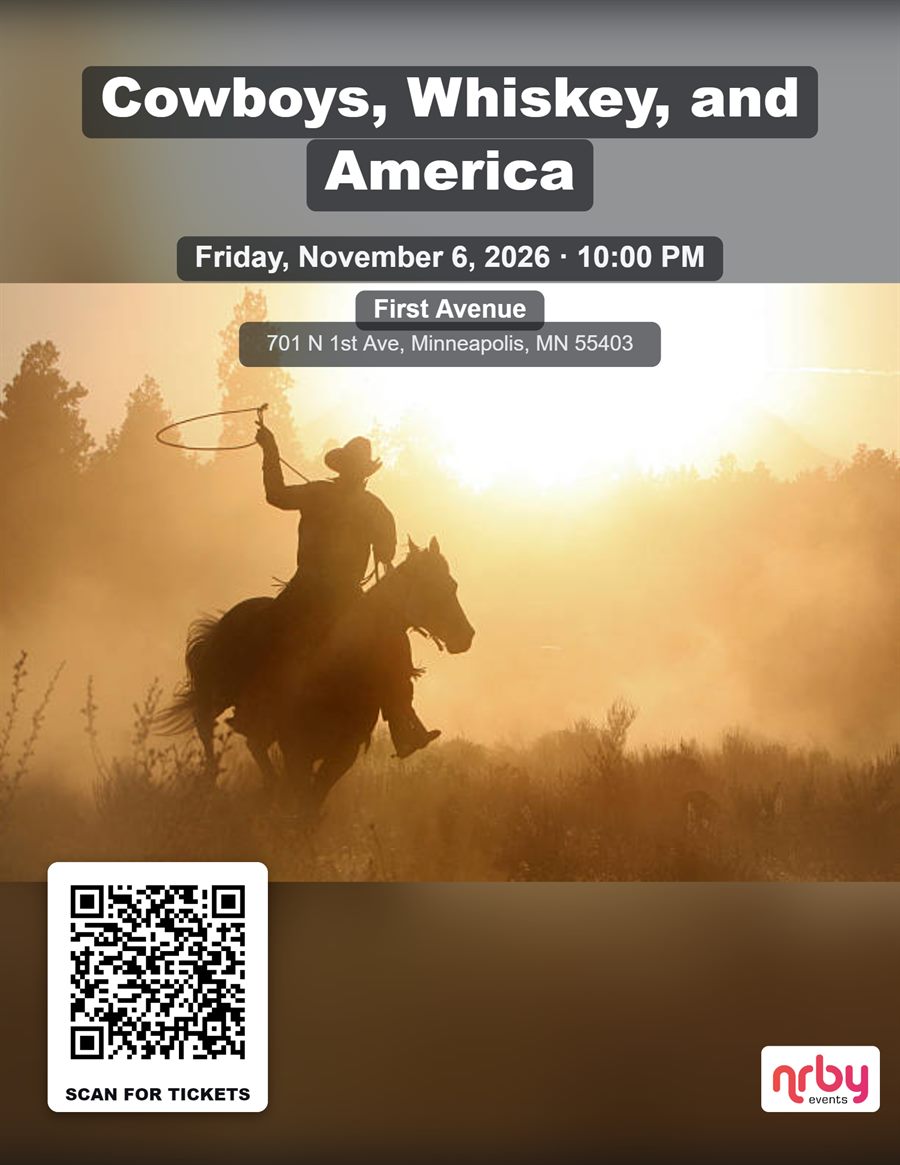
Give each wave its own assets, too. Nrby generates a printable scan sheet for every event, a poster with a big QR code, your event graphics, and venue/date info, that sells tickets from any wall it's posted on while you're busy doing everything else.
If you're splitting promotion across partners or promoters, named marketing links are coming soon on Nrby, so you can see which wave and which person actually sold tickets. Here's how they work.
The final week focus is ops not planning
Seven days out, stop trying to improve the event and start running it. Confirm arrival times with the venue and vendors. Decide who is working the door and how attendees get checked in. If you plan on using wrist bands or stamps. Walk the attendee experience from doors to exit and write down anything that seems unclear. If you're staffing a door for the first time, who you need at the door covers the roles that matter.
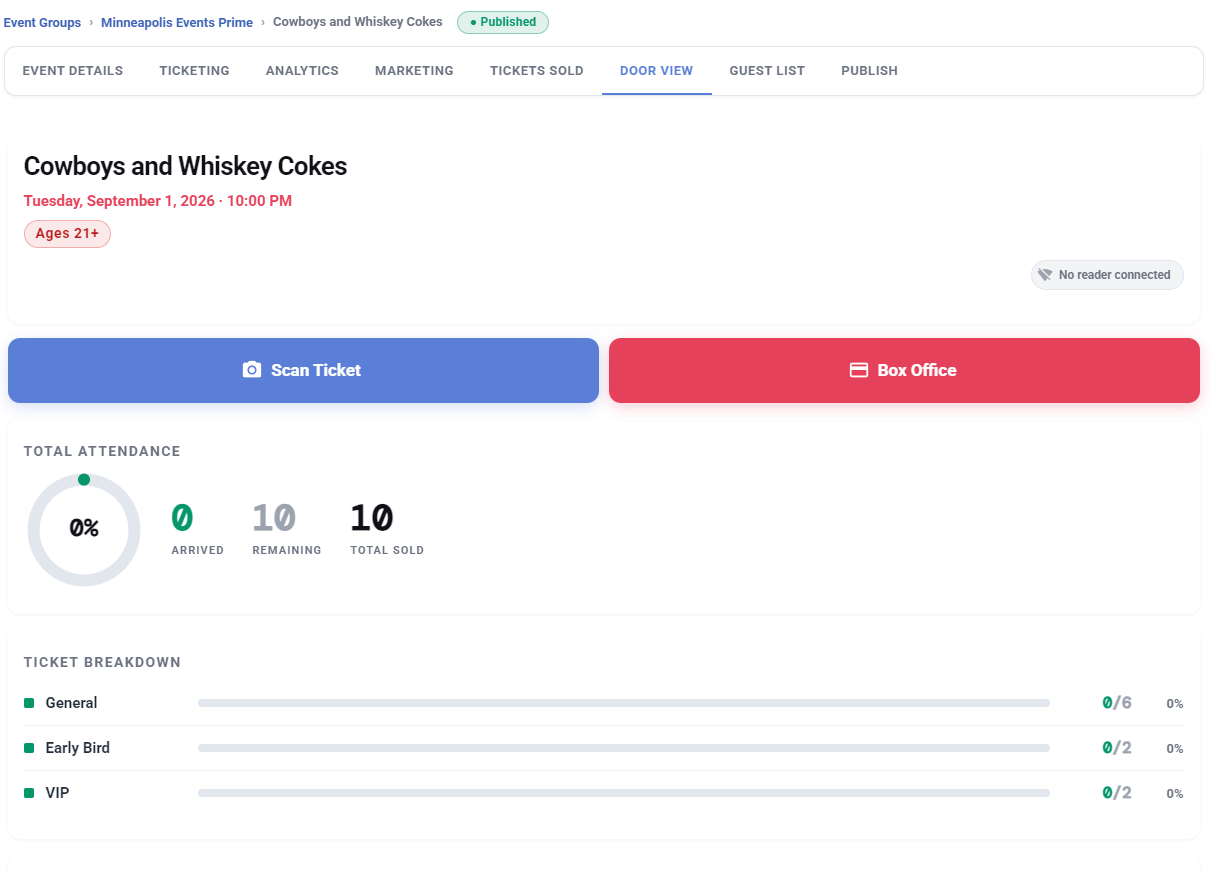
This is also when your tools should already be set. If your tickets are on Nrby, check-ins run on real-time QR scanning through our Door View, so the final week job is simply making sure door staff know the plan and have the portal open.
Debrief while it's fresh
Within a day or two after the event, write down what ran late, what felt rushed, and what you'd move earlier next time. Then look at your live sales data to see when people actually bought. See who has tagged you on socials and see what the comments look like. All feedback is helpful and needed to stay relevant in the event industry.
Quick checklist
- Pick the date, then plan backward from it in writing
- Get the venue and talent locked before you announce
- Sales open six or more weeks out, with tier deadlines on the calendar
- Three promotion waves, each with a date and a plan
- Final week: staffing, door plan, and a walkthrough
- Debrief within a day or two, while it's still top of mind
A timeline only becomes real once it's anchored to a live event page. When you're ready to start the ball rolling, create your event and start working backward from it.
Interested in partnering? We can help!
Our team consults on your events — planning, ticket strategy, strategic partnerships, and best practices on running the event itself. Every new creator gets FREE personalized onboarding and help. Talk to a real person before you sell a single ticket.